If your event plays copyrighted music, whether live, recorded, or streamed, you need public performance licensing to cover it legally, and that coverage usually comes from ASCAP, BMI, SESAC, or Global Music Rights (GMR), or from written confirmation that your venue already carries it. There’s no gray area here. The moment a DJ drops a track or a band covers a song for a paying or public audience, U.S. copyright law puts the burden on someone in the room to have that use covered.
Here’s what to do right now, before you plan another logistics detail:
- Get written confirmation from your venue about what its license actually covers (many blanket licenses don’t extend to third-party events).
- Decide whether you need a per-event license or should rely on an existing blanket license.
- Set aside budget for licensing fees early, before you lock vendor contracts.
- Contact the relevant performing rights organizations (PROs) directly if there’s any doubt about coverage.
- Flag any streaming, recording, or broadcast plans immediately. Those trigger extra clearances beyond standard performance licenses.
Pro Tip: Never assume “no one will notice.” PROs actively monitor public event listings and ticketing platforms specifically to catch unlicensed use, and enforcement doesn’t wait for you to finish your event recap email.
Key Takeaways
Public performance licensing for events is a legal requirement, not a courtesy, and covering it correctly means contacting the right PROs, confirming venue coverage in writing, and budgeting licensing costs before vendor contracts are signed.
| Point | Details |
|---|---|
| Confirm licensing responsibility in writing | Get a certificate of coverage from your venue rather than assuming their blanket license applies to your event. |
| Match license type to event format | Choose blanket vs. per-event licensing based on venue coverage, and add sync/master rights if recording or streaming. |
| Budget for multiple PROs | Broad playlists often require ASCAP, BMI, SESAC, and GMR coverage since each represents different songwriters. |
| Verify vendors, don’t assume | Require DJs, bands, and AV vendors to warrant licensing coverage and provide cue sheets in writing. |
| Build licensing into production planning | King Sixteen incorporates PRO outreach, vendor licensing checks, and document retention into its full-service event production process. |
Table of Contents
- What Music Licenses Do You Actually Need for an Event?
- Who Is Legally Responsible for Music Licensing at Your Event?
- The Major U.S. Performing Rights Organizations, Explained
- How Much Does Music Licensing Cost for an Event?
- Does Streaming or Recording Your Event Change What You Need?
- What Should You Ask DJs, Bands, and AV Vendors Before You Book Them?
- Your Music Licensing Timeline: What to Do and When
- What Are the Most Common Music Licensing Mistakes?
- How Do Production Agencies Handle Music Licensing in Practice?
- Why We Treat Licensing as Non-Negotiable, Not a Formality
- Let King Sixteen Handle Your Event’s Music Licensing
- Frequently Asked Questions
- Sources
What Music Licenses Do You Actually Need for an Event?
Music licensing for events breaks down into a handful of rights, and matching your event type to the right one saves you from either overpaying or getting caught short. The foundational one is the public performance right, which is what ASCAP, BMI, SESAC, and GMR license. It covers the act of playing copyrighted music where the public can hear it, whether that’s a live band covering a hit single, a DJ spinning a curated set, or a Bluetooth speaker running a playlist at a corporate mixer.
The performance right applies almost universally to events open to the public or held in a commercial or corporate context, regardless of whether you charge admission. A private backyard party with no vendors and no ticketing generally sits outside these requirements, but a corporate conference, ticketed gala, or brand activation almost never does.
From there, you’re choosing between two license structures:
- Blanket licenses cover unlimited music use from a PRO’s catalog for a defined period, typically a year, and are common for venues, restaurants, and recurring event spaces.
- Per-event (special event) licenses cover a single date or short run of dates and suit one-off conferences, weddings, or pop-up activations where a venue doesn’t already hold blanket coverage.
If your event will be recorded, streamed, or later posted online, add another layer entirely: sync rights (pairing music to visual content), mechanical rights (reproducing a recording), and master rights (using the actual recorded track versus a cover). Performance licenses don’t touch these.
Pro Tip: Quick gut check: a wedding DJ playing from a personal library needs performance coverage through the venue or a per-event license. A corporate conference with a live band needs the same, plus proof the band cleared any covers. A livestreamed keynote with background music needs performance rights AND likely a sync or mechanical clearance for anything recorded and rebroadcast later.

Who Is Legally Responsible for Music Licensing at Your Event?
The default legal responsibility typically falls on the event organizer, not the venue and not the performer, unless a contract states otherwise. That surprises a lot of planners who assume the venue “handles all that.” Some venues do carry blanket licenses, but those licenses frequently don’t extend to third-party activations held on their premises, especially conference centers and rented event spaces where outside producers bring their own programming.
Before you sign anything, request the following from your venue in writing:
- A certificate of coverage showing active PRO licensing.
- The scope of that license (does it cover your event type, or only the venue’s own recurring programming?).
- Dates the coverage is active, matched against your actual event date.
- Capacity limits tied to the license, since fee tiers often scale with audience size.
- A specific clause addressing streaming or recording, since most blanket licenses exclude digital transmission.
Build contract language into your venue and vendor agreements that states plainly who carries responsibility for performance licensing, requires proof of active coverage before the event date, and includes indemnification if that proof turns out to be false or incomplete.
Pro Tip: Keep a dedicated folder, digital or physical, for every license certificate, email confirmation, and vendor warranty tied to an event. If a PRO or rights holder ever questions your event months later, you want that paper trail ready in under five minutes, not scattered across old inboxes.
The Major U.S. Performing Rights Organizations, Explained
Event music rights in the United States run through four main gatekeepers, and knowing what each one represents saves you from licensing gaps.
ASCAP (American Society of Composers, Authors and Publishers) represents a broad catalog of songwriters, composers, and music publishers, and its Special Events license is built specifically for one-off gatherings like corporate events, conferences, and festivals.
BMI (Broadcast Music, Inc.) operates similarly to ASCAP but represents a different, largely non-overlapping roster of writers and publishers. BMI runs its own licensing portal where businesses request quotes directly.
SESAC represents a smaller but still significant catalog, and it states plainly that U.S. Copyright Law requires a public performance license for any use of live or recorded music in a commercial or public setting.
GMR (Global Music Rights) is the newest and most selective of the four, representing a smaller number of high-profile songwriters and artists, but its catalog includes names you can’t afford to miss if your event playlist leans toward major contemporary hits.
Because each PRO represents different songwriters and publishers, a single license from just one won’t cover a broad, varied playlist. That’s the trap that catches most first-time planners.
When you contact any of these organizations, have this information ready:
- Event date(s) and total run time
- Venue name and full address
- Expected attendance/capacity
- Whether admission is charged or the event is ticketed
- Whether you’ll stream, record, or broadcast any portion
- Anticipated cost of live entertainment (bands, performers), if applicable
Triage rule of thumb: if your event relies on a curated commercial playlist spanning multiple genres and eras, plan to contact all four. If a single band is performing entirely original material they wrote and own, you may not need PRO licensing for that specific set at all. The moment covers enter the picture, that exemption disappears.
How Much Does Music Licensing Cost for an Event?
Licensing fees aren’t flat rates. PROs calculate them based on a handful of variables, and understanding those drivers keeps you from getting blindsided by a quote that seems disproportionate to your event size.
The main pricing factors include:
- Capacity: larger audiences generally mean higher tiers.
- Admission or cover charges: ticketed events often carry different rates than free ones.
- Live-entertainment cost: some PRO schedules scale fees based on what you’re paying performers.
- Event type: benefit concerts, ticketed galas, and private corporate functions can fall into different fee categories.
- Recorded vs. live music: mechanical (recorded) tiers are typically priced differently than live-performance tiers.
By the Numbers: ASCAP’s Special Events license structures fees around mechanical music and live-entertainment schedules with capacity-based tiers, meaning the same event type can land in different price brackets depending purely on headcount and whether music is live or recorded.
Realistic ranges vary widely. A small private corporate mixer with recorded background music and modest attendance typically sits at the low end of per-event pricing. A multi-day conference with live entertainment, higher capacity, and ticketed sessions climbs into a noticeably higher bracket. Large festivals with thousands of attendees and multiple stages often require negotiated agreements that go well beyond a standard published schedule, sometimes involving direct negotiation with the PRO’s licensing department.
Industry guidance from Running USA confirms this variability directly: blanket licenses suit recurring venues, while per-event licenses exist specifically for single shows, and cost swings widely by capacity and event type. There’s no universal number to anchor your budget against. There’s only a range, and the range depends on the specifics of your event.
Pro Tip: Build a licensing line item into every event budget and every client proposal from the start, the same way you’d budget for insurance or permits. Treating it as a late addition almost always means scrambling for funds days before the event, or worse, cutting corners on coverage to save time.
If you’re managing this across a portfolio of corporate events, understanding how licensing fits into overall event planning budgets early prevents the kind of last-minute cost surprises that erode client trust.
Does Streaming or Recording Your Event Change What You Need?
Yes, significantly. The moment you record, livestream, or plan to post video from your event afterward, you’ve moved beyond standard public performance licensing into a more complex set of clearances.
Performance rights cover the act of playing music live in the room. Sync rights cover pairing that music with video or visual content, which matters the second you record a keynote with background music or produce a highlight reel. Master rights cover use of the actual original recording rather than a live cover, relevant if your event audio includes a track played straight from a streaming service or CD. Mechanical rights cover reproduction of a recording, which comes into play if you’re distributing recorded copies of the event afterward.
A few practical realities planners frequently miss:
- Standard PRO performance licenses typically do not automatically cover live webcasts or digital transmission. That’s a separate consideration you need to confirm directly with the PRO.
- Streaming platforms themselves often carry platform-specific restrictions on background music in live broadcasts, separate from what your PRO license covers.
- For hybrid or virtual events specifically, licensing decisions around streaming should be treated separately from your in-room performance coverage, since your PRO’s terms may not extend to digital transmission at all.
To secure sync or master clearances, your first call should go to the music publisher (for sync) or the record label (for master rights) if you’re using a specific commercial recording. For original compositions performed live and then recorded, confirm with the performer or band that they’ve cleared rights to distribute recordings of their own set, since performance rights and recording rights aren’t the same thing even when it’s their own song.
Pro Tip: Build a hybrid-event checklist that covers recording release language for attendees, the specific scope of your streaming (public feed vs. gated/registration-only), and any territorial limitations tied to your license. A webcast reaching international viewers can trigger licensing questions a domestic-only livestream never would.
What Should You Ask DJs, Bands, and AV Vendors Before You Book Them?
Vendor verification is where most licensing gaps actually happen, not because planners ignore the issue, but because they assume the vendor has it handled. Assumption is the expensive part.
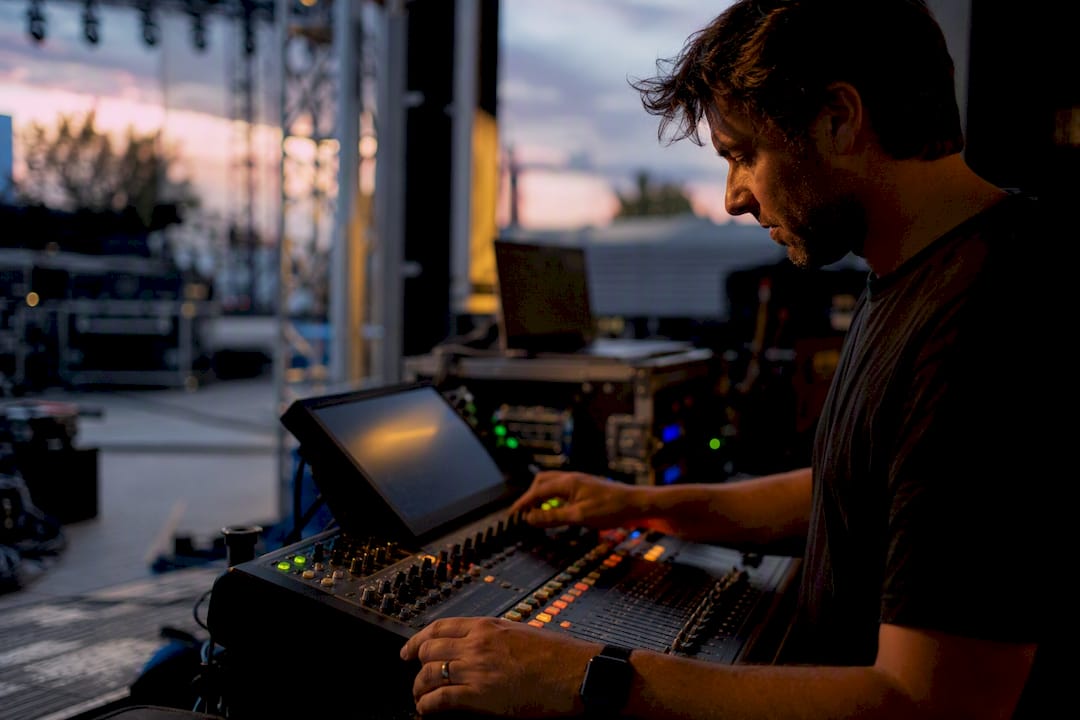
During any discovery call with a DJ, band, or AV vendor, ask directly:
- Do you hold your own PRO license, and which organization(s)?
- Do you supply music from properly licensed libraries, such as pre-cleared commercial music services, or from personal collections?
- Will you be recording or streaming any portion of your performance?
- Can you provide a cue sheet or playlist in advance for our records?
Your vendor contracts should include language requiring the vendor to warrant that any non-original material they perform is properly cleared, along with an indemnification clause protecting you if that warranty turns out to be false. Even with that language in place, verify PRO coverage independently for your specific event date rather than relying solely on a vendor’s word.
When a vendor supplies a cue sheet or set list ahead of time, cross-check it against known catalogs where you have doubts, and don’t hesitate to request direct confirmation from a publisher or rights holder for anything unusual or heavily covered.
Pro Tip: A band that “always plays this venue” isn’t a substitute for confirming coverage on your specific date. Licenses lapse, venues change PROs, and past performances don’t guarantee current compliance.
Your Music Licensing Timeline: What to Do and When
Treat licensing like any other critical-path item in your event production schedule, not an afterthought squeezed in during final walkthroughs.
- 8-12 weeks out: Confirm venue licensing status in writing and identify any gaps requiring a per-event license.
- 6-8 weeks out: Contact relevant PROs with your event details and request formal quotes.
- 4-6 weeks out: Finalize vendor contracts with licensing warranty and indemnification clauses included.
- 3-4 weeks out: Secure any additional sync, mechanical, or master clearances if streaming or recording is planned.
- 2 weeks out: Confirm payment and receive final license documentation.
- 1 week out: File all license certificates, invoices, and vendor confirmations in a dedicated event folder.
- Post-event: Archive documentation for retention (multiple years is prudent, since PRO audits can surface well after an event concludes).
A copy-ready checklist for your event file should include: venue license certificate, PRO special-event license confirmation, vendor licensing warranties, cue sheets or playlists, streaming/recording clearances if applicable, and all related invoices.
Retention matters more than most planners realize. Keep license certificates, invoices, and correspondence on file for several years past the event, since disputes or audits rarely surface in the first few weeks. If you’re coordinating this across a full production calendar, folding it into a structured event production workflow keeps licensing from falling through the cracks between bigger logistics items like staging and catering.
What Are the Most Common Music Licensing Mistakes?
Most licensing failures trace back to a handful of repeat assumptions, and every one of them is avoidable with a five-minute phone call made early enough.
- Assuming the venue’s blanket license covers your event. As noted earlier, venue coverage often excludes third-party activations entirely.
- Believing a paid Spotify or streaming subscription covers public performance. Personal and even premium consumer streaming accounts are licensed for private listening, not public events, regardless of subscription tier.
- Assuming a DJ or band’s personal license transfers to your event. Performer licensing and event-level licensing are frequently separate obligations.
- Licensing only one PRO when your playlist spans catalogs represented by multiple organizations.
By the Numbers: Legal guidance on live event music licensing confirms that unlicensed use routinely triggers cease-and-desist letters and formal claims from PROs, and statutory damages under U.S. copyright law can scale well beyond the cost of the license that would have prevented the issue entirely.
If you discover a gap close to your event date, don’t panic and don’t skip the fix. Contact the relevant PRO immediately, explain the timeline, and request an expedited special-event license. Most PROs process these faster than planners expect when the request is direct and the event details are ready to go.
How Do Production Agencies Handle Music Licensing in Practice?
Professional production teams treat licensing as a standard operational line, not a legal afterthought bolted on at the end. That means assigning clear internal ownership: one team member handles PRO outreach and quote requests, another reviews vendor contracts for licensing language, and a third owns document retention and proof-of-license filing.
A typical outreach email to a PRO or venue includes the event name, date, venue address, expected capacity, admission structure, whether the event will be recorded or streamed, and a direct request for either a special-event quote or written confirmation of existing coverage. Keeping this template on hand means outreach takes minutes, not a fresh draft every time.
Contract clauses worth standardizing across every vendor agreement include: explicit liability allocation stating who carries responsibility for uncleared material, a deliverable requiring proof of license before final payment releases, and a retention clause specifying how long licensing documentation stays on file after the event closes.
Pro Tip: Standardize these clauses once as a template library rather than rewriting them for every event. The five minutes it takes to drop in pre-approved language pays for itself the first time a vendor pushes back on liability terms.
Why We Treat Licensing as Non-Negotiable, Not a Formality
Music licensing for events gets treated as paperwork until the moment it isn’t, and by then the options have narrowed to expensive ones. We’ve watched planners assume a venue “just handles it” and get blindsided by a licensing gap discovered days before doors open. That’s not a knowledge problem. It’s a sequencing problem: licensing gets scheduled last when it should be scheduled first, right alongside venue contracts and vendor deposits.
Treat it the way you’d treat event insurance. Nobody budgets insurance as an afterthought, and licensing deserves the same standing precisely because the downside, a cease-and-desist letter or a statutory damages claim, costs far more than the license ever would. The event industry’s biggest licensing failures aren’t caused by ignorance of the law. They’re caused by planners who knew the rule and gambled that enforcement wouldn’t reach their event. It usually reaches the ones that get noticed.
Let King Sixteen Handle Your Event’s Music Licensing
Chasing down PRO quotes, reviewing vendor licensing warranties, and filing proof-of-coverage documents is exactly the kind of detail work that pulls your attention away from the parts of your event that actually need your judgment. King Sixteen builds music licensing into the same turnkey production process we use for contract review, vendor management, and AV coordination, so it’s handled alongside everything else instead of chased down separately at the last minute.

Our team manages PRO outreach, verifies vendor licensing warranties, coordinates streaming clearances for hybrid and virtual formats, and keeps every certificate and invoice archived for retention. If you’re producing a corporate activation, product launch, or private event where the music matters as much as the staging, explore our experiential marketing services and get a licensing and production plan built into your project from day one.
Frequently Asked Questions
Do I need a music license for a private corporate event? If the event is genuinely private, closed guest list, no ticketing, no public promotion, licensing requirements often don’t apply. The moment an event becomes ticketed, publicly promoted, or open to non-invited attendees, standard public performance licensing typically applies.
Does my venue’s existing music license cover my event? Not automatically. Many venues carry blanket licenses for their own recurring programming, but that coverage frequently excludes third-party events hosted on their premises. Always request written confirmation of scope before assuming you’re covered.
Can I just use a paid Spotify or Apple Music subscription for event music? No. Personal and premium consumer streaming subscriptions are licensed for private, non-commercial listening. They don’t extend to public performance at events, regardless of the subscription tier you’re paying for.
How much does event music licensing typically cost? Costs vary by capacity, admission structure, and whether music is live or recorded. Small private events sit at the lower end of per-event pricing, while large conferences and festivals scale up significantly, sometimes requiring direct negotiation with the PRO.
What happens if I use music without a license? Unlicensed use can result in cease-and-desist letters, formal claims, and statutory damages that substantially exceed the cost of proper licensing. PROs actively monitor public event calendars for compliance.
Do I need separate licenses if I’m livestreaming my event? Likely yes. Standard performance licenses often don’t cover digital transmission or webcasts. Confirm directly with your PRO whether your license extends to streaming, and secure sync or mechanical clearances separately if you’ll be recording or redistributing content afterward.
Sources
- ASCAP Special Events license (sample schedules)
- Live event music licensing: legal guide for venues & organizers — Art and Media Law
- Why music licensing is important at events — PCMA
- SESAC | License the best music for your business
- Music licensing — Running USA