A pop-up shop is a low-commitment, high-impact way to test a market, move product, and put your brand in front of real customers without signing a lease. The two decisions that matter most are where you set up (markets, mall kiosks, galleries, vacant storefronts, or a store-within-a-store) and what happens once people walk in (a tasting bar, a workshop, an immersive set, or a straightforward sales counter). Get both right, and even a two-day activation can outperform a month of ads.
TL;DR:
- Location choice should align with your target audience and budget, ranging from farmers markets to high-cost mall kiosks, depending on your goals.
- Creative activation ideas like customization stations, immersive environments, and social media-friendly installations increase engagement and dwell time.
- Proper planning involves setting clear objectives, securing permits, and budgeting for venue, fixtures, staffing, and unexpected expenses, ideally starting 10 weeks beforehand.
- Promotion must build scarcity and urgency through social media, email campaigns, and local partnerships for maximum attendance and impact.
- For complex or multi-city pop-ups, hiring a turnkey experiential agency can prevent costly mistakes and streamline logistics.
Table of Contents
- Pop-Up Shop Location Ideas Worth Booking
- Creative Pop-Up Experience Ideas You Can Steal
- Building Your Pop-Up Planning Checklist and Budget
- Pre-Launch Promotion That Fills the Room
- Operations and Logistics for a Smooth Opening Day
- Measuring Success and What to Do Afterward
- When to Hire an Experiential Agency Instead of DIY
- Matching Pop-Up Ideas to Your Actual Customer
- Seasonal Themes That Make a Pop-Up Feel Timely
- Digital Payment and Data Capture Tools Worth Using
- Eco-Friendly Pop-Up Concepts That Build Trust
- Legal and Zoning Rules You Can’t Skip
- What I’d Tell a First-Time Pop-Up Owner
- King Sixteen: When Your Pop-Up Needs a Turnkey Partner
- Sources
- FAQ
Pop-Up Shop Location Ideas Worth Booking
The venue you pick sets your budget, your audience, and how much control you have over the experience. Pop-up activations can range from a branded table at a Saturday farmers market to a 3,000-square-foot custom installation. The right choice depends entirely on your goals and your budget ceiling, not on what looks impressive on Instagram.
Farmers markets and community fairs are the cheapest entry point, often $50 to $300 for a weekend booth, with a built-in local audience already primed to buy from small vendors. Check the market’s vendor rules before you commit. Many cap categories (only one candle vendor, only one coffee roaster) and require proof of insurance or a food handler permit.
Store-within-a-store partnerships, sometimes called pop-ins, let you set up inside an established retailer’s existing footprint. Setup is minimal and you inherit their foot traffic, but the partnership pitch matters: come with a clear revenue split, a compelling reason their customers benefit, and a firm end date.
Mall kiosks cost more, often running into the thousands per month, but they deliver serious footfall and work best for high-volume SKUs like accessories, phone gear, or snack products where impulse buys drive revenue.
Galleries and event spaces hand you aesthetic control that a mall kiosk never will. Low-lift venues like these reduce setup time and staffing needs, which makes them a smart choice for brands building an experience-led activation rather than a straight sales counter.
Festivals and events put you in front of a targeted crowd, but booking windows close early. Some festivals lock in vendors six to nine months out, and permits can take weeks to process.
Mobile pop-ups, trucks and trailers included, give you flexibility no fixed venue can match and generate press simply by showing up somewhere unexpected. Vacant storefronts offer full control and the most realistic “real store” feel, but overhead climbs fast. Negotiate a short-term lease (30 to 90 days) with an early-termination clause, and always confirm utilities, exact move-in windows, and total fees in writing before you sign anything.
Pro Tip: Before you commit to any venue, ask the property manager three questions: who handles trash and cleaning, what hours you’re allowed to operate, and whether Wi-Fi is included or something you’ll need to bring yourself.
Creative Pop-Up Experience Ideas You Can Steal
Location gets people in the door. What happens next determines whether they buy, post, and come back. The strongest pop-ups lean into “vibe over vending”: interactive elements like customization stations and sensory setups outperform standard retail displays because they hold attention longer and give people something worth photographing.
-
Demo and tasting bars. Food and beauty brands sampling product need a layout that lets one staffer serve multiple people at once, plus any local permits required for food samples. Budget: low to medium.
-
Hands-on workshops and mini-classes. A 20-minute candle-pouring or skincare-mixing session increases dwell time dramatically and gives you a natural reason to collect an email address at signup. Budget: medium.
-
Product customization stations. Monogramming, engraving, or mix-and-match bar setups need dedicated equipment (a heat press, an engraving tool) but let you charge a premium for the personalization itself. Budget: medium.
-
Limited-edition drops with RSVP-only access. Scarcity works. Cap inventory publicly, require RSVP for entry, and track stock in real time so you never oversell. Budget: low.
-
Immersive worlds. Full set dressing, lighting, and sound turn a folding table into a destination. This is where brands stop “selling” and start building a scene people want to be inside. Budget: high.
-
Photo-friendly installations. A single oversized, well-lit backdrop sized for a phone camera generates more organic reach than most paid social budgets. Add one clear prompt (a hashtag, a branded frame) so the content actually tags you. Budget: low to medium.
-
AR try-ons and interactive tech. Worth the spend only when your product category benefits visually, think makeup shade-matching or furniture placement. For a first pop-up, skip it unless the tech is core to what you sell. Budget: high.
-
Collaborative artisan markets. Co-hosting with two or three complementary small brands splits costs and multiplies foot traffic. Agree on revenue splits and shared staffing duties before you sign anything. Budget: low to medium.
King Sixteen has built out interactive event concepts for premium brand activations that scale these same principles up for larger installs, but the logic holds at any size: give people something to do, not just something to buy.
Building Your Pop-Up Planning Checklist and Budget
Start with one measurable objective. “Sell $5,000 in product over the weekend” and “collect 500 email addresses” require different staffing, different layouts, and different budgets, so pick one primary goal before you spend a dollar.
Your budget breaks into predictable line items:
- Venue fee: $50 (market booth) to $10,000+ (mall kiosk, month-long)
- Build and fixtures: $200 for a simple table setup to $5,000+ for custom displays
- Staffing: typically $15 to $25 per hour, per staffer, depending on market
- Marketing: $200 to $2,000 for social ads, printed signage, and influencer gifting
- Insurance: often $50 to $150 for a short-term event policy
- Permits: varies widely by city and category, from free to a few hundred dollars
- POS and tech: $0 to $500 depending on whether you already own a card reader
- Shipping and storage: easy to underestimate, budget at least $100 to $300 for a multi-day event
| Planning Milestone | Timing Before Launch |
|---|---|
| Set objective and budget | 10 weeks out |
| Book venue, secure permits | 8 to 10 weeks out |
| Order fixtures, build signage | 5 to 6 weeks out |
| Confirm staffing, finalize inventory | 3 to 4 weeks out |
| Launch promotion push | 1 to 3 weeks out |
| Move-in and setup | 1 to 2 days before |
Reserve a contingency fund of roughly 10% to 15% of total budget for the surprises that always show up: a broken fixture, an extra permit fee, a last-minute staffing gap. King Sixteen’s cost breakdowns for experiential marketing productions run from $15,000 pop-ups to seven-figure flagship builds, which gives you a useful reference point for where your own project sits on that spectrum.
Pre-Launch Promotion That Fills the Room
A great pop-up with no promotion plan is just an empty room with good lighting. The temporary nature of a pop-up creates real scarcity and urgency, but that urgency has to be engineered ahead of time, not discovered by accident on opening day.
Work backward from launch day:
- Three weeks out: announce dates on social media, launch a countdown, and send a save-the-date email to your existing list.
- One week out: send an email with an RSVP link and a reason to show up early (first 20 visitors get a gift, RSVP-only preview hour).
- 48 hours out: post behind-the-scenes setup content and remind people through geo-targeted ads within a few miles of the venue.
- Day-of: post real-time stories, tag the location, and encourage attendees to post their own content with a specific hashtag.
Micro-influencers with tight, local followings often outperform big-name creators for pop-up promotion. Brief them clearly (dates, what to post, one required tag) and track results through unique discount codes rather than vague impressions. Pair that with community partnerships: local business associations, chambers of commerce, and campus groups can distribute your event to an audience you’d otherwise pay to reach.
Operations and Logistics for a Smooth Opening Day
Staffing, tech, and legal basics decide whether opening day feels effortless or chaotic. Plan for at least two staffers per shift, one running the register and one engaging walk-ins, and run a 30-minute training session covering the register, the return policy, and your core sales pitch before doors open.
Your on-site tech stack should include:
- A mobile POS system with offline mode in case Wi-Fi drops
- Real-time inventory sync so you don’t oversell an item that’s out of stock
- A backup hotspot as redundancy for card processing
- A simple booking or waitlist tool if your activation runs on timed entry
Legal basics matter more than most first-time pop-up owners expect. Confirm your permit requirements with the city, secure short-term vendor insurance, and if you’re serving food or samples, check local food-safety rules before you set a single table. King Sixteen’s guide to pop-up shop insurance covers the coverage types most venues require before they’ll even let you move in.
Plan your move-in and move-out windows with buffer time. Most venues give you a tight window, and inventory staged in the wrong order means unpacking chaos in front of your first customers. Post your returns and exchange policy visibly, whether that’s a printed sign or a QR code linking to your terms, so staff never have to improvise an answer.
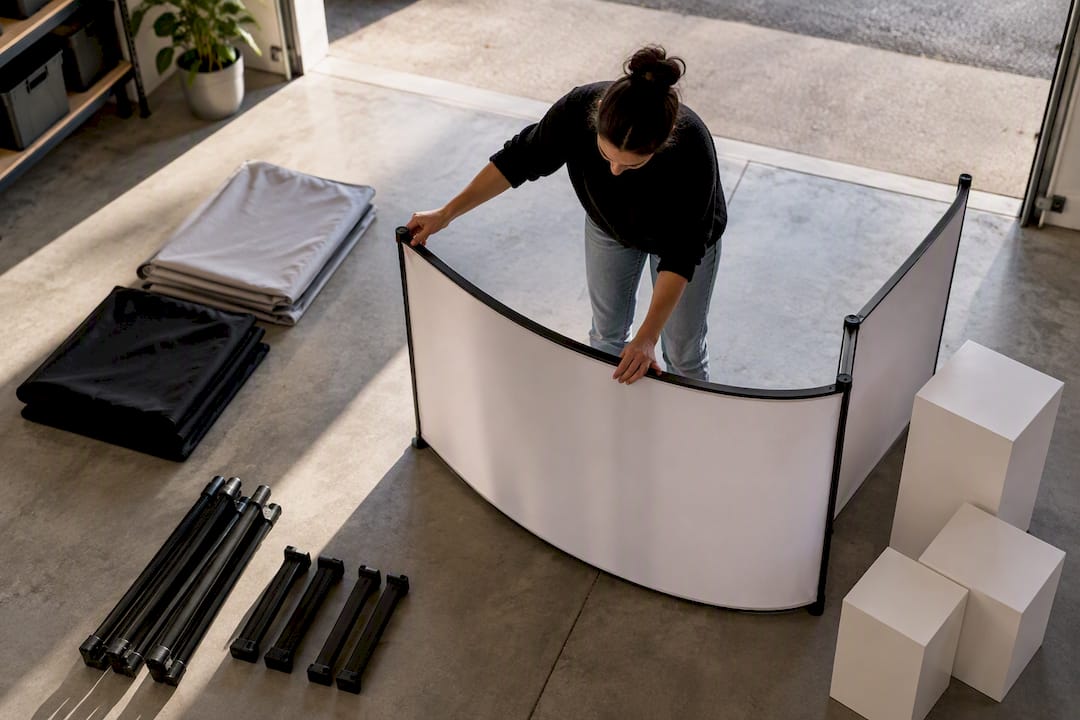
Pro Tip: Run a full dry setup at home or in your garage the night before, timing yourself. If it takes longer than your actual move-in window allows, cut something now instead of discovering the problem on-site.
Measuring Success and What to Do Afterward
Sales are the obvious metric, but they’re not the only one that matters. Track on-site sales, conversion rate (visitors versus buyers), email captures, and social mentions during the event itself, then compare your customer acquisition cost for the pop-up against what you’d normally pay through online ads.
Simple instrumentation goes a long way. UTM-tagged links on any promotional material, QR codes on receipts, and a short post-purchase survey give you high-value data most small pop-ups never bother to collect, and that data becomes the case for your next location decision.
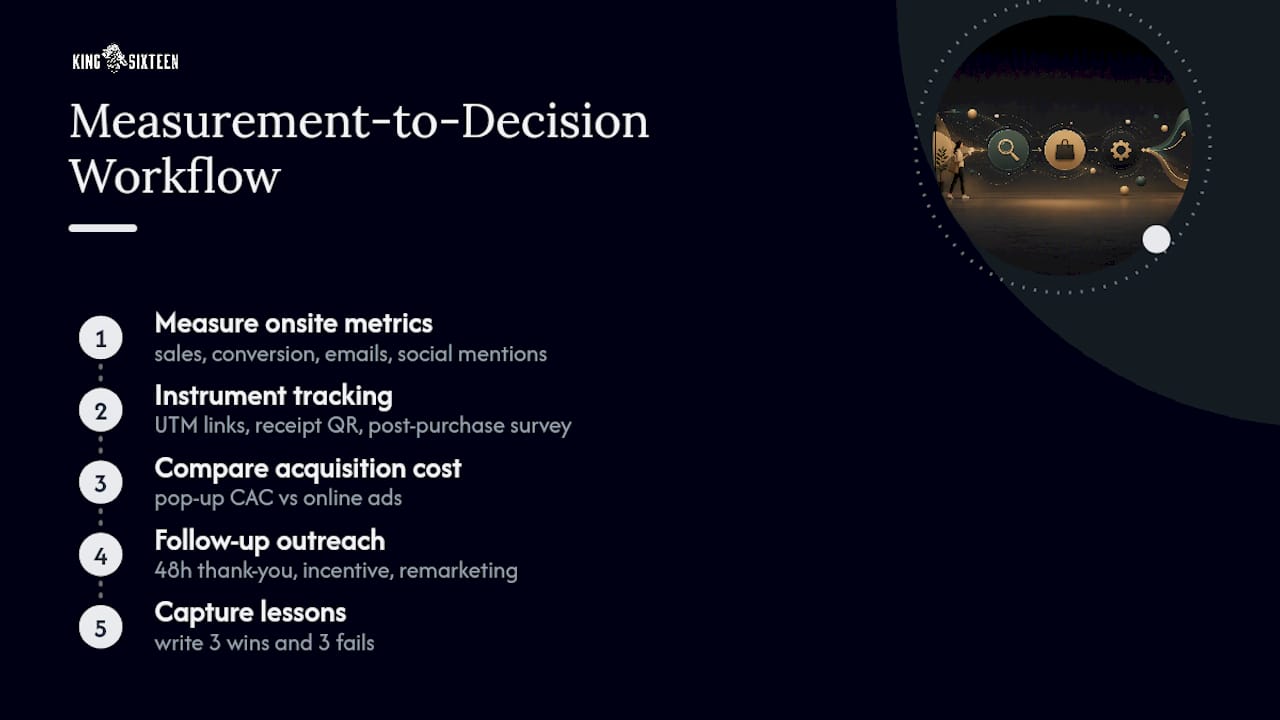
After the event, send a thank-you email within 48 hours, ideally with a small incentive to shop online. Turn your best photo and video content into a highlight reel for social. Run a short remarketing campaign targeting everyone who gave you an email or engaged on social during the event. Finally, write down three things that worked and three that didn’t while the memory is still fresh. That lessons-learned list is worth more than any single sales number.
When to Hire an Experiential Agency Instead of DIY
Some activations outgrow a solo effort fast. Multi-room builds, AV-heavy installs, or a pop-up concept touring three cities in six weeks all involve moving parts that punish DIY mistakes expensively.
A turnkey experiential partner like King Sixteen typically covers creative direction, custom fabrication, staffing, AV, logistics, vendor management, and measurement, all coordinated through one point of contact instead of five separate vendors you’re chasing down individually.
Before deciding, ask yourself three questions:
- Does this activation involve more than one city, room, or major build element?
- Do I have the internal bandwidth to manage five-plus vendors simultaneously without dropping something?
- Is the cost of a mistake (a missed permit, a failed AV setup) higher than the cost of professional help?
If you answered yes to two or more, a turnkey production partner probably pays for itself in avoided headaches alone.
Matching Pop-Up Ideas to Your Actual Customer
The best pop-up concept for a 22-year-old streetwear buyer is the wrong concept for a 45-year-old home goods shopper, and plenty of small businesses skip this step entirely. Before picking a venue or a theme, write down who actually buys your product: age range, income level, how they shop (impulse versus research-heavy), and where they already spend their free time.
A skincare brand targeting younger shoppers benefits from photo-friendly setups and influencer tie-ins, since that audience already shares purchases socially. A home goods brand targeting older, higher-income shoppers does better with a gallery-style setup that rewards browsing and conversation over a fast-paced sampling bar. Match the venue to the demographic too: a mall kiosk pulls a broad, casual crowd, while a curated gallery space filters for shoppers who are already interested and willing to spend more per visit.
Pull data from your existing sales channels before you commit. Your online order history, your email list demographics, and your social media analytics all tell you who’s already buying, and that’s a far better guide than guessing based on who you’d like to attract. A pop-up built around your actual customer converts better than one built around an aspirational one.
Seasonal Themes That Make a Pop-Up Feel Timely
Timing a pop-up around a season or a cultural moment gives you a built-in reason for people to show up, and it gives your marketing an angle that doesn’t require explanation. Holiday gift markets in November and December remain some of the highest-converting pop-up windows of the year simply because shoppers are already actively looking to buy.
Beyond the obvious calendar dates, trend-based themes work well when they’re tied to something happening right now: a local sports team’s playoff run, a viral color or aesthetic moving through social media, or a seasonal ingredient your food brand can spotlight for a few weeks only. Back-to-school season suits stationery, apparel, and tech accessory brands. Spring and early summer favor outdoor markets and mobile pop-ups, since better weather naturally increases foot traffic at open-air venues.
The trap to avoid is chasing a trend so hard that it overshadows your actual product. A seasonal theme should frame your existing offering, not replace it. Keep your core product line front and center, and let the seasonal or trend element live in the decor, the promotion, and the limited-edition packaging rather than the merchandise itself.
Digital Payment and Data Capture Tools Worth Using
Technology at a pop-up isn’t only about AR mirrors and try-on screens. The tools that quietly matter more are the ones handling payment and capturing customer data, because they determine whether your event generates a usable customer list or just a day of cash sales.
A modern mobile POS system should accept contactless cards, mobile wallets like Apple Pay and Google Pay, and standard chip cards without forcing customers into a slow checkout line. Beyond payment, build email capture into the purchase flow itself: a tablet at checkout, a QR code on your signage, or a simple “text to join” number all work better than a paper sign-up sheet that gets lost by the end of the day.
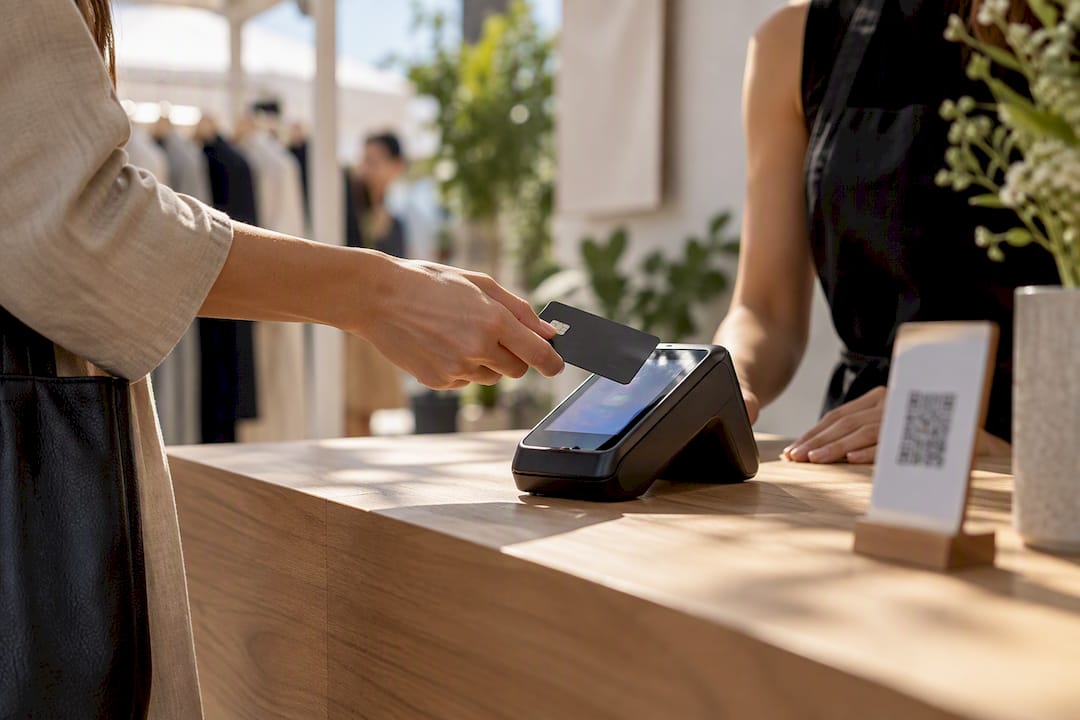
Customer data capture tools worth considering include a lightweight CRM synced to your POS, a QR-code system tied to receipts for post-purchase surveys, and loyalty-program signup built into the sale itself rather than offered as an afterthought. The goal isn’t collecting data for its own sake. It’s building a list you can email next month with a genuine offer, turning a one-time pop-up visitor into a repeat online customer.
Eco-Friendly Pop-Up Concepts That Build Trust
Conscious consumers notice waste, and a pop-up generates a surprising amount of it fast: printed signage, single-use packaging, disposable sample cups. Building sustainability into your setup from the start avoids an awkward mismatch between your brand values and your actual footprint.
Start with materials. Rent or reuse fixtures instead of building new ones for a single weekend. Choose recyclable or compostable packaging for anything customers take home, and skip printed flyers in favor of digital signage or QR codes that point to the same information. If your product category allows it, a refill or bring-your-own-container station gives eco-minded shoppers a concrete reason to choose your pop-up over a competitor’s.
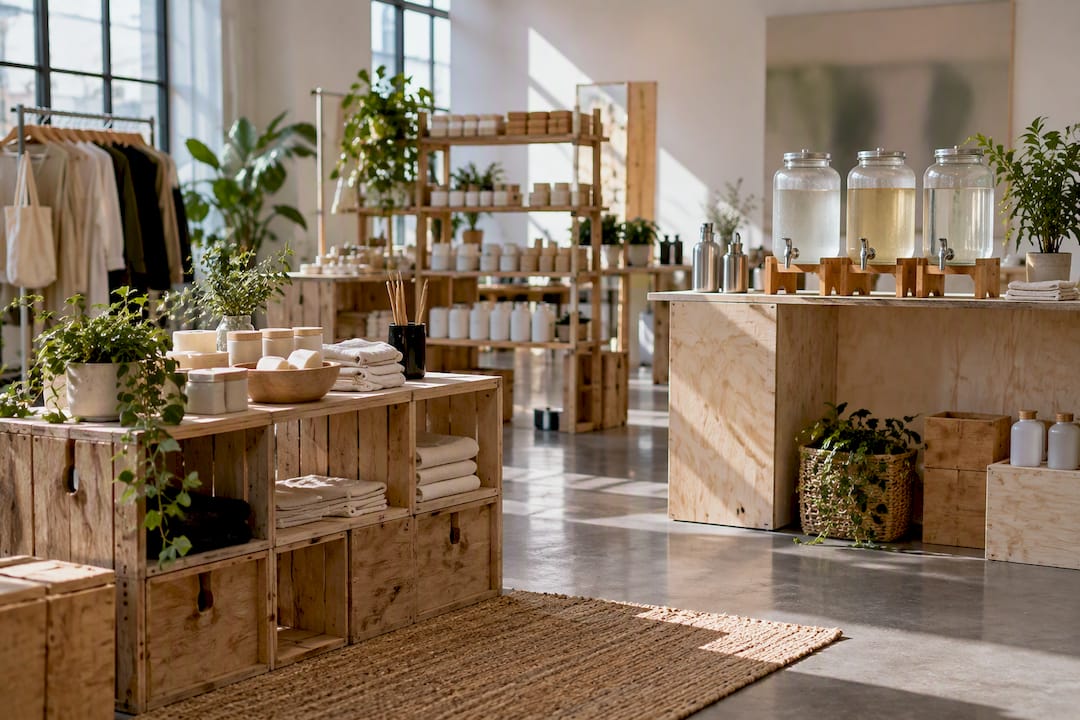
Sourcing matters too. Partnering with local makers for a collaborative market cuts transportation impact and gives your event a genuine local story to tell, rather than a marketing claim tacked on after the fact. None of this requires a large budget. A low-cost pop-up built around reused fixtures and local partnerships often reads as more authentically sustainable than an expensive activation wrapped in green branding it can’t back up.
Legal and Zoning Rules You Can’t Skip
Every pop-up operates inside a patchwork of local rules, and skipping this step is the single most common way small business owners get shut down mid-event. Zoning matters first: not every commercial zone permits retail use, and a vacant storefront that looks perfect might be zoned for office use only, requiring a temporary-use permit before you can legally sell anything inside it.
Planning guidance from the U.S. Chamber points to several categories worth confirming with your local city or county office: a temporary vendor or business license, a sales tax permit if your state requires one, sign permits if you’re posting exterior signage, and fire code compliance for occupancy limits and clear exits.
Insurance is not optional in most venues. Property owners routinely require proof of general liability coverage before they’ll let you move in, and if you’re serving food or samples, a separate food handler’s permit or temporary food establishment license usually applies on top of your standard vendor license. Rules vary meaningfully by city and even by neighborhood, so confirm requirements directly with your local permitting office rather than assuming what worked in one city applies in the next.
What I’d Tell a First-Time Pop-Up Owner
Test before you scale. A pop-up’s real value is the data it hands you, not the sales on day one. Start with a low-lift venue like a gallery or store-within-a-store partnership, and make email capture and one photo-worthy moment your two non-negotiables. Vibe sells; vending alone doesn’t.
— Tyler
King Sixteen: When Your Pop-Up Needs a Turnkey Partner
Once a pop-up outgrows a folding table and a card reader, the math shifts fast: you’re now managing fabrication, staffing, AV, and vendor logistics all at once, and every mistake costs real money. This is often the moment when agencies specializing in turnkey experiential solutions can help.
King Sixteen runs project-based production, turnkey event production, and custom fabrication, all through one accountable team instead of five vendors you’re coordinating separately. That single-partner model is the practical difference: no chasing down a fabricator here and an AV crew there while you’re also trying to run your actual business. If your next activation involves a multi-city tour, a complex build, or simply more moving parts than you have hours in the week, visit the King Sixteen experiential services page and get in touch. Come ready with your primary objective, your target dates, and a rough budget range, and the team can tell you quickly whether a turnkey build makes sense for your project.
Sources
- Pop-Up Store Ideas That Grow Sales Without a Long Lease (2026) - Shopify
- Best Pop-Up Shop Ideas Of 2026 - Business (Forbes Advisor)
- Brand activation ideas and examples - Remo
FAQ
Do You Need a License to Run a Pop-Up Shop?
Most cities require some form of temporary vendor license or business permit, and requirements vary by location and product category. Check with your local permitting office before booking a venue, since planning guidance from the U.S. Chamber outlines the categories most pop-ups need to confirm, including sales tax permits and sign permits.
Are Pop-Up Shops Actually Profitable?
Pop-up shops can be profitable, but profitability depends heavily on your cost structure and how well your venue matches your goals. Costs vary widely based on venue type and build complexity, so a $200 farmers market booth and a $10,000 mall kiosk need very different sales volumes to break even.
What Do People Actually Sell at Pop-Up Shops?
Pop-up shops work well for apparel, beauty and skincare, food and beverage samples, home goods, and accessories, especially products that benefit from being seen or tried in person. Categories with a strong visual or sensory element, like customizable products or limited-edition drops, tend to perform best because they give shoppers a reason to buy on the spot.
How Much Does a Pop-Up Shop Cost to Set Up?
Costs range from under $500 for a simple farmers market booth to $10,000 or more for a mall kiosk or custom-built storefront experience. For larger, agency-produced activations, King Sixteen’s own project breakdowns show experiential builds running from roughly $15,000 pop-ups up to seven-figure flagship installations, depending on scale and complexity.
Should I DIY My First Pop-Up or Hire Help?
A straightforward single-day or single-weekend pop-up is usually manageable on your own with the checklist and budget guidance covered above. Once your activation involves multiple rooms, heavy AV needs, or multiple cities, a turnkey partner like King Sixteen typically saves more in avoided mistakes than it costs in fees.
Recommended
- Stop Buyers in 30s: Booth Design Ideas for Exhibitors, 2 Page Brief
- Custom POP Displays: A Brand Manager’s Design Guide
- Custom Marketing Display Builds That Drive Real Impact
- Top 3 POP Display Production Company Agencies 2026